

Invisalign Treatment in Mumbai: A Complete Professional Guide
Invisalign Treatment in Mumbai: A Complete Professional Guide

Clear aligner therapy has transformed modern orthodontics, with Invisalign emerging as one of the most widely adopted systems worldwide. In a metropolitan city like Mumbai, where adult orthodontic demand is rising rapidly, Invisalign has become a preferred solution for patients seeking discreet, predictable, and technology-driven treatment.
This guide provides dental professionals with a comprehensive overview of Invisalign treatment in Mumbai, covering what Invisalign is, why it is preferred, which cases are suitable, how the treatment process works, and what factors influence outcomes—from a clinical and practice-management perspective.
What Is Invisalign Treatment?
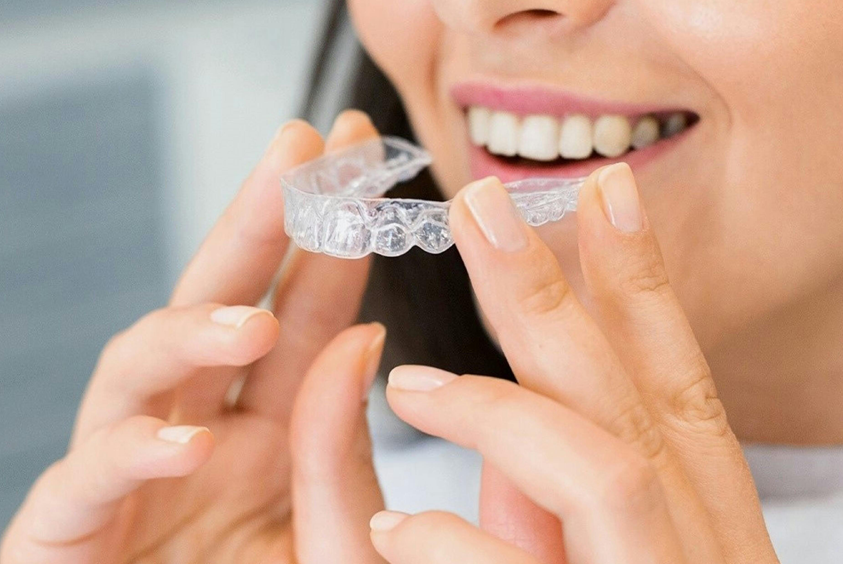
Invisalign is an advanced orthodontic system that uses a series of custom-made, clear thermoplastic aligners to gradually move teeth into their desired positions. Each aligner is designed using digital 3D treatment planning (ClinCheck® software) and applies controlled forces to achieve predictable tooth movement.
Unlike conventional fixed appliances, Invisalign aligners are:
- Removable
- Virtually invisible
- Digitally planned
- Highly customizable
For practices in Mumbai, Invisalign aligns well with the expectations of adult professionals, corporate patients, and esthetically driven demographics.
Why Is Invisalign Treatment Popular in Mumbai?
Mumbai’s patient population presents unique orthodontic demands driven by lifestyle, aesthetics, and convenience.
Key Reasons for Invisalign’s Popularity
- High demand for esthetic orthodontic solutions
- Preference for fewer emergency visits
- Busy work schedules requiring minimal chair time
- Increased awareness through digital media
- Strong acceptance among adult and adolescent patients
From a practice standpoint, Invisalign allows clinicians to deliver premium orthodontic care while maintaining workflow efficiency.
Which Dental Problems Can Invisalign Treat Effectively?
A common professional query is:
“Which malocclusions are suitable for Invisalign treatment?”
Indications for Invisalign
Invisalign can successfully treat:
- Mild to moderate crowding
- Spacing issues
- Anterior open bite
- Deep bite (with proper planning)
- Crossbite
- Class I malocclusions
- Selected Class II and Class III cases
With advancements in aligner material and attachments, the range of treatable cases has expanded significantly.
Cases Requiring Careful Case Selection
- Severe skeletal discrepancies
- Patients with poor compliance
- Complex vertical discrepancies
- Severe rotations of conical teeth
For predictable outcomes, case selection and staging remain critical.
How Does Invisalign Treatment Work Step by Step?
Understanding the clinical workflow is essential for consistent results.
Step 1: Patient Evaluation and Diagnosis
- Extraoral and intraoral examination
- Occlusal analysis
- Digital scans (iTero) or PVS impressions
- Radiographic assessment (OPG, lateral ceph if required)
Step 2: Digital Treatment Planning
- ClinCheck® software used to simulate tooth movement
- Staging, IPR planning, and attachment placement
- Review and modification by the treating orthodontist
Step 3: Aligner Fabrication
- Custom aligners fabricated using SmartTrack® material
- Series of aligners delivered to the clinic
Step 4: Aligner Delivery and Instructions
- Attachment bonding
- Aligner wear protocol (20–22 hours/day)
- Change interval typically every 7–14 days
Step 5: Monitoring and Refinements
- Periodic follow-ups every 6–8 weeks
- Mid-course corrections if required
- Refinement aligners to achieve final detailing
How Long Does Invisalign Treatment Take?
Treatment duration depends on:
- Complexity of malocclusion
- Patient compliance
- Number of aligners planned
Average Treatment Timelines
- Mild cases: 6–9 months
- Moderate cases: 12–18 months
- Complex cases: 18–24 months
In Mumbai, adult patients often prioritize predictable timelines, making digital planning a key advantage.
How Painful Is Invisalign Treatment Compared to Braces?
Another frequently searched question is:
“Is Invisalign painful?”
Pain and Discomfort
- Mild pressure or tightness for 1–3 days after aligner change
- Generally less discomfort than fixed appliances
- No wire-related ulcers or soft tissue trauma
From a professional perspective, patient counseling regarding expected aligner pressure improves compliance and satisfaction.
Which Factors Affect Invisalign Treatment Success?
Key Determinants of Success
- Accurate diagnosis and treatment planning
- Proper attachment design and placement
- Patient compliance with wear time
- Timely refinements
- Experience of the treating clinician
For clinics like NR Dental Clinic, combining clinical expertise with digital orthodontics is essential for consistent outcomes.
What Is the Role of Attachments and IPR in Invisalign?
Attachments
- Composite attachments act as force vectors
- Enable complex movements like rotation, intrusion, and extrusion
- Must be placed with precision using templates
Interproximal Reduction (IPR)
- Creates space in crowded arches
- Planned digitally and executed conservatively
- Requires accurate measurement and polishing
These elements are critical for achieving results comparable to fixed orthodontics.
Why Invisalign Is Suitable for Adult Professionals in Mumbai
Adult orthodontic patients in Mumbai often seek:
- Discreet appliances
- Minimal speech interference
- Better oral hygiene
- Reduced social discomfort
Invisalign meets these expectations while allowing clinicians to maintain high standards of orthodontic biomechanics.
What Are the Limitations of Invisalign Treatment?
While Invisalign is highly versatile, professionals should be transparent about limitations:
- Compliance-dependent outcomes
- Less effective for some severe skeletal cases
- Requires experience to manage complex movements
Clear communication improves trust and long-term satisfaction.
How Does Invisalign Compare to Conventional Braces?
| Parameter | Invisalign | Fixed Braces |
|---|---|---|
| Esthetics | Excellent | Limited |
| Comfort | High | Moderate |
| Oral hygiene | Easy | Challenging |
| Compliance | Required | Less dependent |
| Chair time | Reduced | Higher |
For selected cases, Invisalign offers comparable results with superior patient experience.
Why Choose Invisalign Treatment at NR Dental Clinic in Mumbai?
At NR Dental Clinic, Invisalign treatment is delivered using:
- Advanced digital scanning technology
- Evidence-based treatment planning
- Experienced orthodontic supervision
- Personalized refinement protocols
This approach ensures predictable tooth movement, patient comfort, and long-term stability.
Final Thoughts: Is Invisalign the Future of Orthodontics in Mumbai?
Invisalign represents a shift toward digital, patient-centered orthodontics. For dental professionals, it offers a powerful combination of precision, efficiency, and esthetics, particularly suited to an urban population like Mumbai.
When case selection, planning, and compliance are optimized, Invisalign delivers outcomes that meet both clinical standards and patient expectations—making it an integral part of modern orthodontic practice.
Recent Posts

How to Choose the Right Dentist in Mumbai


Root Canal Treatment in Mumbai
“I have been coming to Dr. Nikhil Sathe for my son’s orthodontic treatment and am very happy with the results as there is a drastic improvement in what his teeth looked like and how they are now! I highly recommend him to everyone looking for braces or Invisalign treatment! I’m definitely getting my younger one here too.”

Abhikant Yadav
“Dr. Sathe is amazing at what he does and I am thrilled with the way my smile has turned out! He is genuinely humble, kind and a highly skilled orthodontist! From the initial consultation to the final results, the entire process has been very seamless. The entire team of doctors are very good at what they do ? Big thanks for the epic transformation! Highly appreciate and recommend!”

Anissha Khanna
“The treatment’s been super effective, and we’re thrilled with how it’s going! Those ceramic braces are practically invisible. Dr. Sathe’s way of going about the treatment is very proficient. I’d definitely recommend checking him out!”

