

Dental Implants: Surgery, Purpose & Benefits
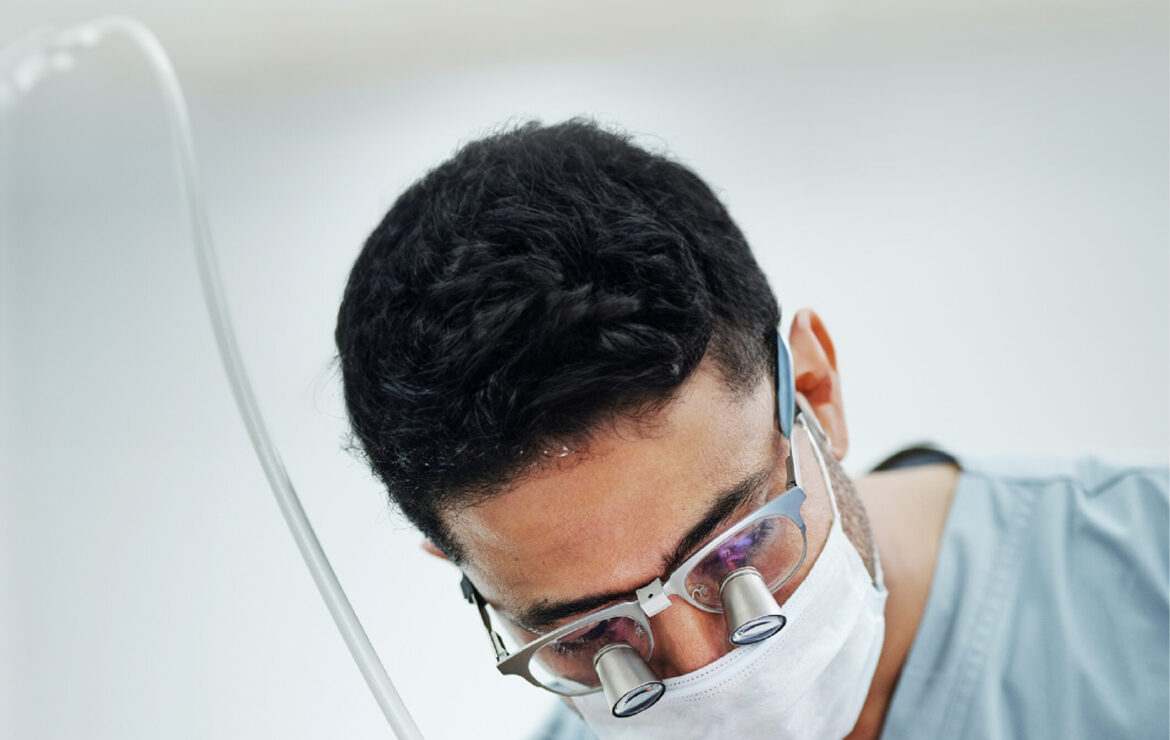
Dental Implants: Surgery, Purpose & Benefits

What Are Dental Implants?
Dental Implants are artificial tooth roots that are placed into the jawbone to support replacement teeth such as crowns, bridges, or dentures. They are usually made from titanium or zirconia and are designed to function like natural teeth. Dental implants provide a long-term solution for people who have lost teeth due to injury, decay, gum disease, or aging.
Unlike removable dentures, dental implants are fixed permanently into the jawbone, offering greater stability, comfort, and confidence while speaking, chewing, and smiling.
Quick Overview of Dental Implants
| Topic | Details |
| Procedure Type | Surgical tooth replacement |
| Material Used | Titanium or Zirconia |
| Purpose | Replace missing teeth |
| Lifespan | 15–25 years or more with care |
| Recovery Time | Few weeks to several months |
| Suitable For | Adults with healthy gums and jawbone |
| Main Benefit | Permanent and natural-looking teeth |
Why Are Dental Implants Needed?
Dental implants are recommended when one or more teeth are missing. Missing teeth can affect not only appearance but also oral health and confidence.
Common Reasons for Getting Dental Implants
- Tooth loss due to accidents or injuries
- Severe tooth decay
- Gum disease
- Broken or damaged teeth
- Congenital missing teeth
- Difficulty chewing food
- Loose dentures
- Bone loss in the jaw
- Speech problems caused by missing teeth
Main Purpose of Dental Implants
The primary purpose of dental implants is to restore both the function and appearance of natural teeth.
Key Purposes Include
| Purpose | Explanation |
| Restore Smile | Improves facial appearance and confidence |
| Improve Chewing | Helps eat all types of food comfortably |
| Enhance Speech | Prevents slurred speech caused by missing teeth |
| Maintain Jawbone | Prevents bone loss in the jaw |
| Support Facial Structure | Stops facial sagging caused by missing teeth |
| Replace Dentures | Provides a permanent alternative to removable dentures |
Components of a Dental Implant
Dental implants consist of three major parts.
| Component | Description |
| Implant Post | Titanium screw placed into the jawbone |
| Abutment | Connector placed above the implant |
| Crown | Artificial tooth attached on top |
Types of Dental Implants
There are different types of dental implants depending on the patient’s dental condition.
1. Endosteal Implants
- Most common type
- Placed directly into the jawbone
- Suitable for healthy jawbone patients
2. Subperiosteal Implants
- Placed under the gum but above the jawbone
- Used when jawbone height is insufficient
3. Zygomatic Implants
- Anchored in the cheekbone instead of the jawbone
- Used in severe bone loss cases
Types of Implant Procedures
| Implant Type | Best For |
| Single Tooth Implant | One missing tooth |
| Multiple Tooth Implant | Several missing teeth |
| Full Mouth Implants | Entire upper or lower jaw |
| All-on-4 Implants | Full arch replacement with 4 implants |
Step-by-Step Dental Implant Surgery Process
Dental implant surgery usually takes place in multiple stages. The complete process may require several months depending on healing time.
Step 1: Initial Consultation
During the first visit, the dentist examines the mouth and evaluates oral health.
What Happens During Consultation?
- Dental examination
- X-rays and 3D scans
- Discussion about medical history
- Treatment planning
- Bone density evaluation
Step 2: Tooth Extraction (If Needed)
If the damaged tooth is still present, it may need to be removed before implant placement.
Important Points
- Local anesthesia is used
- Healing may take a few weeks
- Bone grafting may be required afterward
Step 3: Bone Grafting (If Required)
Patients with insufficient jawbone may require bone grafting before implants.
| Bone Grafting Purpose | Benefits |
| Strengthen Jawbone | Supports implant stability |
| Improve Bone Density | Ensures long-term success |
| Prevent Implant Failure | Creates solid foundation |
Step 4: Implant Placement Surgery
This is the main surgical procedure.
Procedure Includes
- Local anesthesia or sedation
- Small incision in gums
- Hole drilled into jawbone
- Implant post inserted
- Gum stitched closed
The surgery usually takes 1–2 hours per implant.
Step 5: Osseointegration
Osseointegration is the healing process where the implant fuses with the jawbone.


Key Facts About Osseointegration
- Takes 3–6 months
- Essential for implant stability
- Determines implant success
- Jawbone grows around implant surface
Step 6: Abutment Placement
Once healing is complete, the abutment is attached to the implant.
Purpose of Abutment
- Connects crown to implant
- Supports artificial tooth
- Ensures proper fit
Step 7: Crown Placement
The final artificial tooth is fixed onto the abutment.
Crown Features
- Natural appearance
- Custom-made color and shape
- Strong and durable
- Functions like natural teeth
Dental Implant Surgery Timeline
| Procedure Stage | Estimated Time |
| Consultation | 1 day |
| Tooth Extraction | 1–2 weeks healing |
| Bone Grafting | 3–6 months healing |
| Implant Placement | 1–2 hours |
| Osseointegration | 3–6 months |
| Crown Placement | 1–2 visits |
Benefits of Dental Implants
Dental implants offer several long-term advantages over traditional dentures and bridges.
1. Natural Appearance
Dental implants closely resemble natural teeth.
Advantages
- Blend with surrounding teeth
- Improve smile aesthetics
- Boost confidence
2. Improved Chewing Ability
Implants function like natural teeth, allowing patients to eat comfortably.
| Food Type | Implant Performance |
| Hard Foods | Excellent |
| Sticky Foods | Stable |
| Crunchy Foods | Comfortable |
| Hot & Cold Foods | Natural sensation |
3. Long-Lasting Solution
With proper care, dental implants can last decades.
Longevity Benefits
- Durable material
- Resistant to decay
- Strong structural support
4. Prevents Bone Loss
Missing teeth can cause jawbone shrinkage over time.
How Implants Help
- Stimulate jawbone
- Maintain bone density
- Preserve facial structure
5. Better Speech
Loose dentures may cause speech difficulties.
Implant Benefits for Speech
- Clear pronunciation
- No slipping
- Improved confidence while talking
6. Comfortable and Secure
Dental implants become part of the jawbone.
| Feature | Dental Implants | Dentures |
| Stability | High | Moderate |
| Comfort | Excellent | Can loosen |
| Removal | Permanent | Removable |
| Speech Impact | Minimal | Sometimes affects speech |
7. Easy Maintenance
Dental implants can be maintained like natural teeth.
Daily Care Includes
- Brushing twice daily
- Flossing regularly
- Dental checkups
- Avoiding smoking
Who Is a Good Candidate for Dental Implants?
Not everyone may qualify immediately for dental implants.
Ideal Candidates
- Healthy gums
- Adequate jawbone
- Good oral hygiene
- Non-smokers
- Adults with fully developed jawbones
People Who May Need Extra Care
| Condition | Special Consideration |
| Diabetes | Blood sugar control needed |
| Smokers | Higher failure risk |
| Gum Disease | Treatment required first |
| Bone Loss | Bone grafting may help |
Risks and Complications of Dental Implant Surgery
Dental implant surgery is generally safe, but like any surgical procedure, there can be risks.
Possible Complications
- Infection
- Implant failure
- Nerve damage
- Sinus issues
- Swelling and bleeding
- Gum recession
Warning Signs After Surgery
Seek dental advice if you notice:
- Severe pain
- Excessive bleeding
- Persistent swelling
- Loose implant
- Fever or infection signs
Recovery After Dental Implant Surgery
Recovery varies from person to person.
Common Recovery Symptoms
- Mild swelling
- Minor bleeding
- Bruising
- Temporary discomfort
Recovery Tips
| Recovery Tip | Benefit |
| Eat soft foods | Protects surgical area |
| Avoid smoking | Improves healing |
| Use prescribed medicines | Reduces pain and infection |
| Maintain oral hygiene | Prevents complications |
| Attend follow-ups | Ensures proper healing |
Foods to Eat After Implant Surgery
Recommended Foods
- Yogurt
- Mashed potatoes
- Soup
- Smoothies
- Scrambled eggs
- Oatmeal
Foods to Avoid
- Hard candies
- Nuts
- Sticky foods
- Spicy foods
- Alcohol
Dental Implants vs Dentures
| Feature | Dental Implants | Dentures |
| Appearance | Natural | Artificial look possible |
| Comfort | Permanent and stable | May shift |
| Bone Preservation | Yes | No |
| Lifespan | 15–25+ years | 5–10 years |
| Maintenance | Similar to natural teeth | Requires removal |
| Eating Ability | Strong bite force | Limited chewing |
Dental Implants vs Dental Bridges
| Feature | Implants | Bridges |
| Adjacent Teeth Support Needed | No | Yes |
| Bone Preservation | Yes | No |
| Lifespan | Longer | Moderate |
| Stability | Excellent | Good |
Cost of Dental Implants
The cost of dental implants depends on several factors.
Factors Affecting Cost
- Number of implants
- Implant material
- Bone grafting requirement
- Clinic location
- Dentist expertise
- Crown material
Are Dental Implants Painful?
Most patients experience minimal pain during the procedure because anesthesia is used.
Pain Management Includes
- Local anesthesia
- Sedation options
- Pain medications
- Ice packs
Most discomfort subsides within a few days.
How Long Do Dental Implants Last?
Dental implants can last for decades if maintained properly.
Factors Affecting Implant Lifespan
| Factor | Impact |
| Oral hygiene | Very important |
| Smoking | Reduces lifespan |
| Regular checkups | Improves durability |
| Teeth grinding | May damage implant |
How to Care for Dental Implants
Proper care is essential for implant success.
Daily Implant Care Routine
- Brush twice daily
- Use soft-bristle toothbrush
- Floss around implants
- Use antibacterial mouthwash
- Visit dentist regularly
Signs Your Dental Implant Is Healthy
Healthy Implant Indicators
- No pain
- Firmly fixed
- Healthy gums
- Comfortable chewing
- No bleeding
Common Myths About Dental Implants
| Myth | Reality |
| Implants are painful | Procedure is usually comfortable |
| Implants look fake | They look natural |
| Elderly people cannot get implants | Age is not a major barrier |
| Implants require special cleaning | Normal oral hygiene works |
Future of Dental Implants
Dental implant technology continues to improve rapidly.
Modern Advancements
- 3D-guided implant surgery
- Same-day implants
- Digital smile design
- Advanced biomaterials
- Faster healing techniques
Tips Before Choosing Dental Implant Treatment
Important Considerations
- Choose experienced implant dentist
- Understand treatment timeline
- Discuss costs clearly
- Ask about implant materials
- Follow aftercare instructions carefully
Frequently Asked Questions (FAQs)
1. Are dental implants permanent?
Yes, dental implants are designed to be a long-term or permanent tooth replacement solution.
2. How successful are dental implants?
Dental implants have a success rate of around 95% when properly maintained.
3. Can smokers get dental implants?
Yes, but smoking increases the risk of implant failure and slow healing.
4. How long does dental implant surgery take?
Single implant surgery usually takes about 1–2 hours.
5. Can dental implants replace multiple teeth?
Yes, implants can replace one tooth, several teeth, or even full arches.
Conclusion
Dental Implant Surgery has become one of the most reliable and advanced solutions for replacing missing teeth. From restoring smiles to improving chewing ability and preserving jawbone health, dental implants offer both cosmetic and functional benefits.
Although the process may take several months, the long-term advantages often outweigh the waiting period. With proper care, dental implants can provide a natural-looking, comfortable, and durable solution that significantly improves quality of life.
Whether replacing a single tooth or a full set of teeth, dental implants continue to transform modern dentistry by helping people regain confidence, oral function, and overall well-being.
Recent Posts

Invisible Braces: Perfect Teeth Straightener

How to Choose the Right Dentist in Mumbai

“I have been coming to Dr. Nikhil Sathe for my son’s orthodontic treatment and am very happy with the results as there is a drastic improvement in what his teeth looked like and how they are now! I highly recommend him to everyone looking for braces or Invisalign treatment! I’m definitely getting my younger one here too.”

Abhikant Yadav
“Dr. Sathe is amazing at what he does and I am thrilled with the way my smile has turned out! He is genuinely humble, kind and a highly skilled orthodontist! From the initial consultation to the final results, the entire process has been very seamless. The entire team of doctors are very good at what they do ? Big thanks for the epic transformation! Highly appreciate and recommend!”

Anissha Khanna
“The treatment’s been super effective, and we’re thrilled with how it’s going! Those ceramic braces are practically invisible. Dr. Sathe’s way of going about the treatment is very proficient. I’d definitely recommend checking him out!”

