

Types of Braces
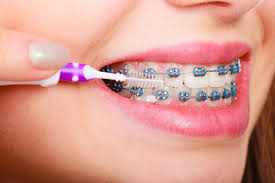
Types of Braces

Quick Summary:
Braces are one of the most effective orthodontic treatments for correcting misaligned teeth, bite issues, and improving overall oral health. Today, patients have multiple options beyond traditional metal braces, including ceramic braces, lingual braces, and clear aligners. Each type comes with its own benefits, cost considerations, and suitability depending on age, lifestyle, and dental condition. This blog explores the different types of braces available, how they work, and how to choose the right option for your smile at NR Dental Clinic, Mumbai.
What Is the Purpose of Braces for Teeth?
Braces are orthodontic devices designed to correct irregularities in teeth alignment and jaw positioning. They gradually move teeth into their ideal positions using continuous pressure over time.
Braces are commonly used to treat:
- Crooked or crowded teeth
- Gaps between teeth
- Overbite, underbite, and crossbite
- Jaw alignment issues
Beyond aesthetics, braces also improve oral hygiene by making teeth easier to clean, reducing the risk of cavities and gum disease.
How Do Braces Work to Straighten Teeth?
Braces work by applying steady pressure on teeth, encouraging them to move into proper alignment. This process involves several components:
- Brackets: Small attachments bonded to each tooth
- Archwire: A wire that connects brackets and guides movement
- Bands or ligatures: Hold the wire in place
Over time, the bone around the teeth adapts, allowing the teeth to shift into their corrected positions. Regular adjustments by your dentist ensure that the treatment progresses effectively.
What Are the Different Types of Braces Available?
There are several types of braces available today, each designed to meet different needs, preferences, and budgets.
What Are Traditional Metal Braces?
Traditional metal braces are the most common and widely used orthodontic treatment.
Features:
- Made from high-grade stainless steel
- Visible on the front of teeth
- Use metal brackets and wires
Advantages:
- Highly effective for complex dental issues
- Generally more affordable than other options
- Durable and reliable
Considerations:
- More noticeable compared to other types
- May cause slight discomfort initially
Metal braces are ideal for patients who need significant correction and want a cost-effective solution.
What Are Ceramic Braces and How Are They Different?
Ceramic braces function similarly to metal braces but are made from tooth-colored or clear materials, making them less noticeable.
Features:
- Blend with natural tooth color
- Less visible than metal braces
Advantages:
- More aesthetically pleasing
- Suitable for teenagers and adults
Considerations:
- Slightly more expensive than metal braces
- Can stain if not maintained properly
- Slightly more fragile
Ceramic braces are a great option for patients who want effective treatment with a more discreet appearance.
What Are Lingual Braces and How Do They Work?
Lingual braces are placed on the inner side (back) of the teeth, making them virtually invisible from the outside.
Features:
- Custom-made for each patient
- Positioned behind the teeth
Advantages:
- Completely hidden from view
- Effective for various orthodontic issues
Considerations:
- More expensive than traditional braces
- May take time to adjust to speech and comfort
- Require highly skilled orthodontists
Lingual braces are ideal for professionals or individuals who want a completely invisible solution.
What Are Clear Aligners and How Do They Compare to Braces?
Clear aligners are removable, transparent trays that gradually shift teeth into position.
Features:
- Made of clear plastic
- Custom-designed for each patient
- Removable for eating and cleaning
Advantages:
- Nearly invisible
- Comfortable and smooth
- No dietary restrictions
- Easier oral hygiene
Considerations:
- Must be worn 20–22 hours per day
- Not suitable for very complex cases
- Can be more expensive
Clear aligners are a popular choice among adults and teens seeking a convenient and discreet orthodontic solution.
How Do Self-Ligating Braces Differ from Traditional Braces?
Self-ligating braces are similar to traditional braces but use a built-in mechanism to hold the wire instead of elastic bands.
Features:
- Use clips instead of rubber bands
- Available in metal and ceramic versions
Advantages:
- Less friction and discomfort
- Fewer dental visits for adjustments
- Easier to clean
Considerations:
- Slightly higher cost than traditional braces
These braces are ideal for patients looking for a more comfortable and efficient treatment process.
What Type of Braces Is Best for Adults?
Adults often prefer braces that are discreet and comfortable.
Common choices:
- Clear aligners
- Ceramic braces
- Lingual braces
The best option depends on:
- Severity of the dental issue
- Lifestyle and professional needs
- Budget
Adults typically prioritize aesthetics and convenience when choosing braces.
What Type of Braces Is Best for Children and Teenagers?
Children and teenagers can benefit from a variety of braces depending on their needs.
Common choices:
- Metal braces (most common)
- Ceramic braces (for teens concerned about appearance)
Metal braces are often recommended for younger patients because they are durable and effective for complex corrections.
How Long Does Braces Treatment Take?
The duration of orthodontic treatment varies depending on the complexity of the case.
Typical timeline:
- Mild cases: 6–12 months
- Moderate cases: 12–24 months
- Complex cases: 24–36 months
Consistency in wearing braces or aligners and following dentist instructions plays a major role in treatment duration.
How Much Do Different Types of Braces Cost?
The cost of braces depends on the type chosen and the complexity of treatment.
Approximate cost range in Mumbai:
- Metal braces: ₹25,000 – ₹60,000
- Ceramic braces: ₹40,000 – ₹90,000
- Lingual braces: ₹80,000 – ₹2,50,000
- Clear aligners: ₹70,000 – ₹3,00,000
Costs may vary depending on the clinic, technology used, and treatment duration.
How to Choose the Right Type of Braces for You?
Choosing the right braces involves several factors:
Consider:
- Severity of dental issues
- Budget
- Aesthetic preferences
- Lifestyle and daily routine
A professional consultation is essential to determine the best option tailored to your needs.
What Are the Benefits of Getting Braces?
Braces offer both functional and aesthetic benefits:
Key benefits:
- Improved smile and confidence
- Better oral hygiene
- Corrected bite issues
- Prevention of future dental problems
Orthodontic treatment can have a lasting impact on both dental health and overall well-being.
How to Take Care of Your Braces?
Proper care ensures effective treatment and prevents complications.
Tips:
- Brush and floss regularly
- Avoid sticky and hard foods
- Attend regular dental check-ups
- Follow your dentist’s instructions
For clear aligners, ensure they are cleaned properly and worn consistently.
Why Choose NR Dental Clinic Mumbai for Braces Treatment?
At NR Dental Clinic Mumbai, patients receive personalized orthodontic care using advanced technology and modern techniques.
What sets them apart:
- Experienced dental professionals
- Customized treatment plans
- Latest orthodontic solutions
- Patient-focused care
Whether you need traditional braces or modern aligners, expert guidance ensures the best possible outcome.
Final Thoughts: Which Braces Option Is Right for You?
The variety of braces available today means there is a solution for everyone. From traditional metal braces to nearly invisible aligners, each option offers unique advantages.
The right choice ultimately depends on your dental needs, lifestyle, and preferences. Consulting with an experienced dental professional will help you make an informed decision and start your journey toward a healthier, more confident smile.
Related posts


Recent Posts

How to Choose the Right Dentist in Mumbai


Root Canal Treatment in Mumbai
“I have been coming to Dr. Nikhil Sathe for my son’s orthodontic treatment and am very happy with the results as there is a drastic improvement in what his teeth looked like and how they are now! I highly recommend him to everyone looking for braces or Invisalign treatment! I’m definitely getting my younger one here too.”

Abhikant Yadav
“Dr. Sathe is amazing at what he does and I am thrilled with the way my smile has turned out! He is genuinely humble, kind and a highly skilled orthodontist! From the initial consultation to the final results, the entire process has been very seamless. The entire team of doctors are very good at what they do ? Big thanks for the epic transformation! Highly appreciate and recommend!”

Anissha Khanna
“The treatment’s been super effective, and we’re thrilled with how it’s going! Those ceramic braces are practically invisible. Dr. Sathe’s way of going about the treatment is very proficient. I’d definitely recommend checking him out!”

