
Dental Hygiene & Prevention
Dental Hygiene & Prevention

Quick Summary:
Dental hygiene and prevention are the foundation of a healthy smile and overall well-being. Maintaining good oral hygiene helps prevent common dental problems such as cavities, gum disease, bad breath, and tooth loss. With simple daily habits, regular dental check-ups, and professional guidance, you can protect your teeth and gums for life. This blog explores what dental hygiene is, how to maintain it, and why preventive care is essential for long-term oral health at NR Dental Clinic Mumbai.
What Is Dental Hygiene and Why Is It Important?
Dental hygiene refers to the practice of keeping your mouth, teeth, and gums clean and healthy to prevent dental problems. It includes daily habits like brushing and flossing, along with professional dental care.
Good dental hygiene is important because:
- It prevents tooth decay (cavities)
- Reduces the risk of gum disease
- Helps avoid bad breath
- Supports overall health
Poor oral hygiene has been linked to systemic health issues such as heart disease, diabetes, and respiratory infections. Maintaining oral health is not just about your smile—it’s about your overall wellness.
What Is Preventive Dentistry and How Does It Work?
Preventive dentistry focuses on avoiding dental problems before they develop or become severe. It involves a combination of at-home care and regular dental visits.
Key components include:
- Routine dental check-ups
- Professional cleaning (scaling and polishing)
- Fluoride treatments
- Dental sealants
- Early detection of dental issues
Preventive care helps identify problems early, saving time, discomfort, and treatment costs in the long run.
How Does Poor Dental Hygiene Affect Your Health?
Neglecting dental hygiene can lead to several oral and general health issues.
Common dental problems:
- Cavities
- Gum disease (gingivitis and periodontitis)
- Tooth sensitivity
- Tooth loss
Impact on overall health:
- Increased risk of heart disease
- Complications in diabetes
- Respiratory infections
- Pregnancy-related issues
Bacteria from the mouth can enter the bloodstream, affecting other parts of the body. This makes oral hygiene a critical part of maintaining overall health.
How to Maintain Good Dental Hygiene at Home?
Maintaining dental hygiene at home is simple but requires consistency.
Daily oral care routine:
- Brush your teeth twice a day using fluoride toothpaste
- Use a soft-bristled toothbrush
- Floss daily to remove plaque between teeth
- Rinse with an antibacterial mouthwash
Additional tips:
- Replace your toothbrush every 3–4 months
- Clean your tongue to remove bacteria
- Stay hydrated to maintain saliva flow
A consistent routine helps prevent plaque buildup and keeps your mouth fresh and healthy.
What Is the Correct Way to Brush Your Teeth?
Brushing correctly is essential for effective cleaning.
Steps for proper brushing:
- Hold your toothbrush at a 45-degree angle
- Use gentle circular motions
- Brush all surfaces of the teeth (front, back, and chewing surfaces)
- Brush for at least 2 minutes
- Don’t forget your tongue
Avoid brushing too hard, as it can damage enamel and irritate gums.
How Does Flossing Help in Dental Hygiene?
Flossing removes food particles and plaque from areas that a toothbrush cannot reach.
Benefits of flossing:
- Prevents cavities between teeth
- Reduces gum inflammation
- Helps maintain fresh breath
Flossing once a day significantly improves oral hygiene and reduces the risk of gum disease.
What Role Does Diet Play in Dental Hygiene?
Your diet has a direct impact on your oral health.
Foods that promote dental health:
- Fruits and vegetables
- Dairy products (rich in calcium)
- Nuts and seeds
- Water
Foods to limit:
- Sugary snacks and drinks
- Sticky foods
- Acidic beverages
Sugary and acidic foods contribute to enamel erosion and tooth decay. A balanced diet supports strong teeth and healthy gums.
How Often Should You Visit the Dentist?
Regular dental visits are essential for preventive care.
Recommended frequency:
- Every 6 months for routine check-ups
- More frequent visits for patients with dental issues
During these visits, dentists:
- Check for cavities and gum disease
- Perform professional cleaning
- Provide personalized oral care advice
Early detection of problems helps prevent complex treatments later.
What Happens During a Professional Dental Cleaning?
Professional cleaning removes plaque and tartar that cannot be eliminated by regular brushing.
Steps involved:
- Scaling: Removes tartar buildup
- Polishing: Smoothens teeth surfaces
- Fluoride application: Strengthens enamel
This process helps maintain oral health and keeps your smile bright.
How Can Dental Hygiene Prevent Gum Disease?
Gum disease begins with plaque buildup along the gum line.
Stages of gum disease:
- Gingivitis: Red, swollen gums that may bleed
- Periodontitis: Advanced infection affecting bone and tissues
Good dental hygiene helps:
- Remove plaque regularly
- Prevent inflammation
- Maintain healthy gums
Early intervention can reverse gingivitis and prevent serious complications.
What Are the Signs of Poor Dental Hygiene?
Recognizing early signs can help you take timely action.
Warning signs:
- Bad breath
- Bleeding gums
- Tooth sensitivity
- Yellow or stained teeth
- Gum recession
If you notice these symptoms, it’s important to consult a dentist promptly.
How Does Dental Hygiene Affect Children’s Oral Health?
Good habits should start early in life.
Importance for children:
- Prevents cavities (common in kids)
- Supports proper tooth development
- Builds lifelong healthy habits
Tips for parents:
- Supervise brushing
- Use child-friendly toothbrushes and toothpaste
- Limit sugary snacks
Early dental care sets the foundation for a lifetime of healthy smiles.
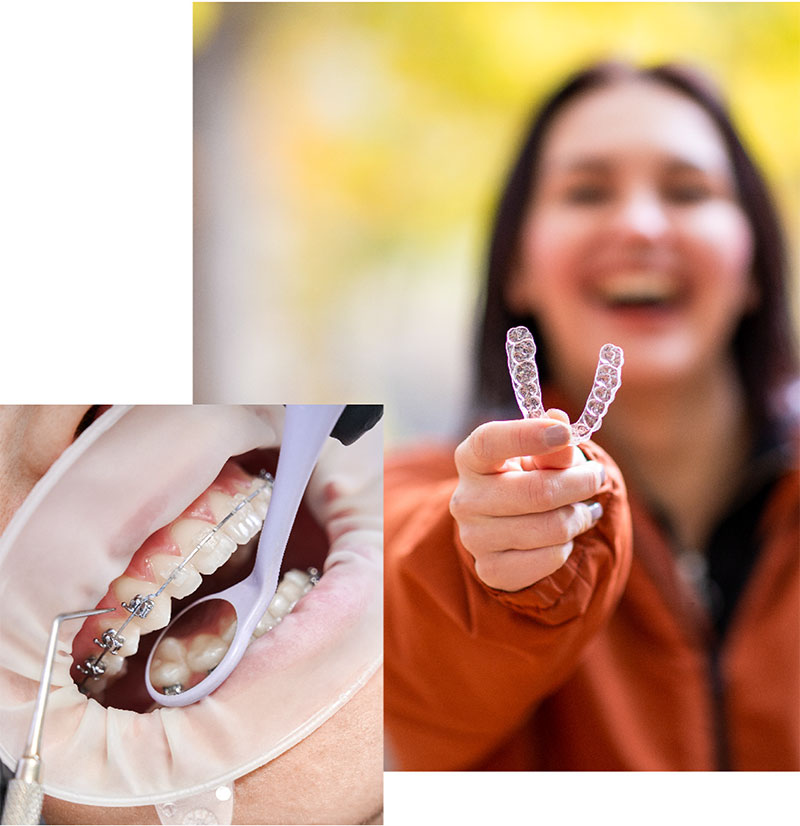
How to Maintain Dental Hygiene for Braces or Aligners?
Orthodontic treatments require extra care.
Tips:
- Use special brushes for braces
- Clean around brackets and wires carefully
- Remove aligners before eating
- Clean aligners regularly
Proper hygiene during orthodontic treatment prevents plaque buildup and staining.
What Are the Benefits of Preventive Dental Care?
Preventive care offers long-term advantages.
Key benefits:
- Reduces risk of dental problems
- Saves money on treatments
- Maintains a healthy smile
- Improves overall health
Investing in prevention is always better than treating advanced dental issues.
How Does Smoking Affect Dental Hygiene?
Smoking has severe effects on oral health.
Risks include:
- Stained teeth
- Bad breath
- Gum disease
- Oral cancer
Quitting smoking significantly improves oral hygiene and overall health.
How Can NR Dental Clinic Mumbai Help You Maintain Dental Hygiene?
At NR Dental Clinic Mumbai, patients receive comprehensive preventive dental care tailored to their needs.
Services offered:
- Routine dental check-ups
- Professional cleaning
- Personalized oral hygiene guidance
- Advanced diagnostic tools
The clinic focuses on patient education and preventive strategies to ensure long-term oral health.
What Are the Best Daily Habits for Long-Term Dental Health?
Consistency is key when it comes to oral hygiene.
Healthy habits to follow:
- Brush twice daily
- Floss regularly
- Eat a balanced diet
- Visit your dentist regularly
- Avoid harmful habits like smoking
These simple practices can make a significant difference in maintaining your oral health.
Final Thoughts: Why Dental Hygiene & Prevention Matter
Dental hygiene and prevention are essential for maintaining a healthy smile and avoiding complex dental issues. With proper care, regular check-ups, and professional guidance, you can ensure strong teeth and healthy gums for life.
Taking small steps every day can lead to big improvements in your oral health. At NR Dental Clinic Mumbai, expert care and preventive strategies help you stay ahead of dental problems and enjoy a confident, healthy smile.
Related posts

Recent Posts
Связь между потреблением вина и долголетием

“I have been coming to Dr. Nikhil Sathe for my son’s orthodontic treatment and am very happy with the results as there is a drastic improvement in what his teeth looked like and how they are now! I highly recommend him to everyone looking for braces or Invisalign treatment! I’m definitely getting my younger one here too.”

Abhikant Yadav
“Dr. Sathe is amazing at what he does and I am thrilled with the way my smile has turned out! He is genuinely humble, kind and a highly skilled orthodontist! From the initial consultation to the final results, the entire process has been very seamless. The entire team of doctors are very good at what they do ? Big thanks for the epic transformation! Highly appreciate and recommend!”

Anissha Khanna
“The treatment’s been super effective, and we’re thrilled with how it’s going! Those ceramic braces are practically invisible. Dr. Sathe’s way of going about the treatment is very proficient. I’d definitely recommend checking him out!”

